- New


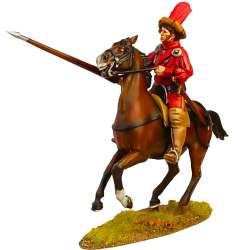
Toy soldier of a 16th-century Spanish arquebusier, part of our historical Renaissance toy soldier collection.
HANDCRAFTED TOY SOLDIER, sculpted, moulded, cast, assembled and hand-painted in our workshop in Spain. Made of white metal, with carefully crafted details and a traditional artisanal finish.
A collectible miniature by Kronprinz Toy Soldiers, created for enthusiasts of military history and historical miniatures.
At the beginning of the 16th century, Emperor Charles V and King Francis I of France clashed over European supremacy and, in particular, control of northern Italy. This conflict continued the wars that had begun during the reign of the Catholic Monarchs and turned the Italian peninsula into one of the main theatres of rivalry between the two monarchies.
The Imperial army of Charles V brought together troops from different territories under his rule: Spanish and Italian soldiers, together with a large contingent of German Landsknechts. This combination reflected the diverse character of the Spanish Monarchy and the Holy Roman Empire.
Several types of infantry fought side by side in the Italian Wars. Arquebusiers and pikemen became increasingly important, although crossbowmen, halberdiers, swordsmen and other infantrymen were also present on the battlefield. European armies were undergoing a profound transformation as firearms began to change the traditional balance between cavalry and infantry.
The decisive encounter took place on 24 February 1525, at the Battle of Pavia. The Imperial forces defeated the French army and captured King Francis I himself. Spanish arquebusiers played a crucial role in the battle, particularly by opening fire against the powerful French heavy cavalry and helping to break its charges.
The French forces also included the so-called Black Band, a formation of German Landsknechts who fought against their countrymen serving the Emperor. The French defeat at Pavia dealt a decisive blow to Francis I's ambitions in Italy.
This battle remains one of the most significant episodes in the evolution of Renaissance warfare, when the combination of pikemen and arquebusiers began to transform European armies and the nature of warfare.
Data sheet
Toy soldier of a 16th-century Spanish arquebusier, part of our historical Renaissance toy soldier collection.
HANDCRAFTED TOY SOLDIER, sculpted, moulded, cast, assembled and hand-painted in our workshop in Spain. Made of white metal, with carefully crafted details and a traditional artisanal finish.
A collectible miniature by Kronprinz Toy Soldiers, created for enthusiasts of military history and historical miniatures.